Sheikh Mahi Cissé: A Spiritual Leader and Influential Figure in West African Islam
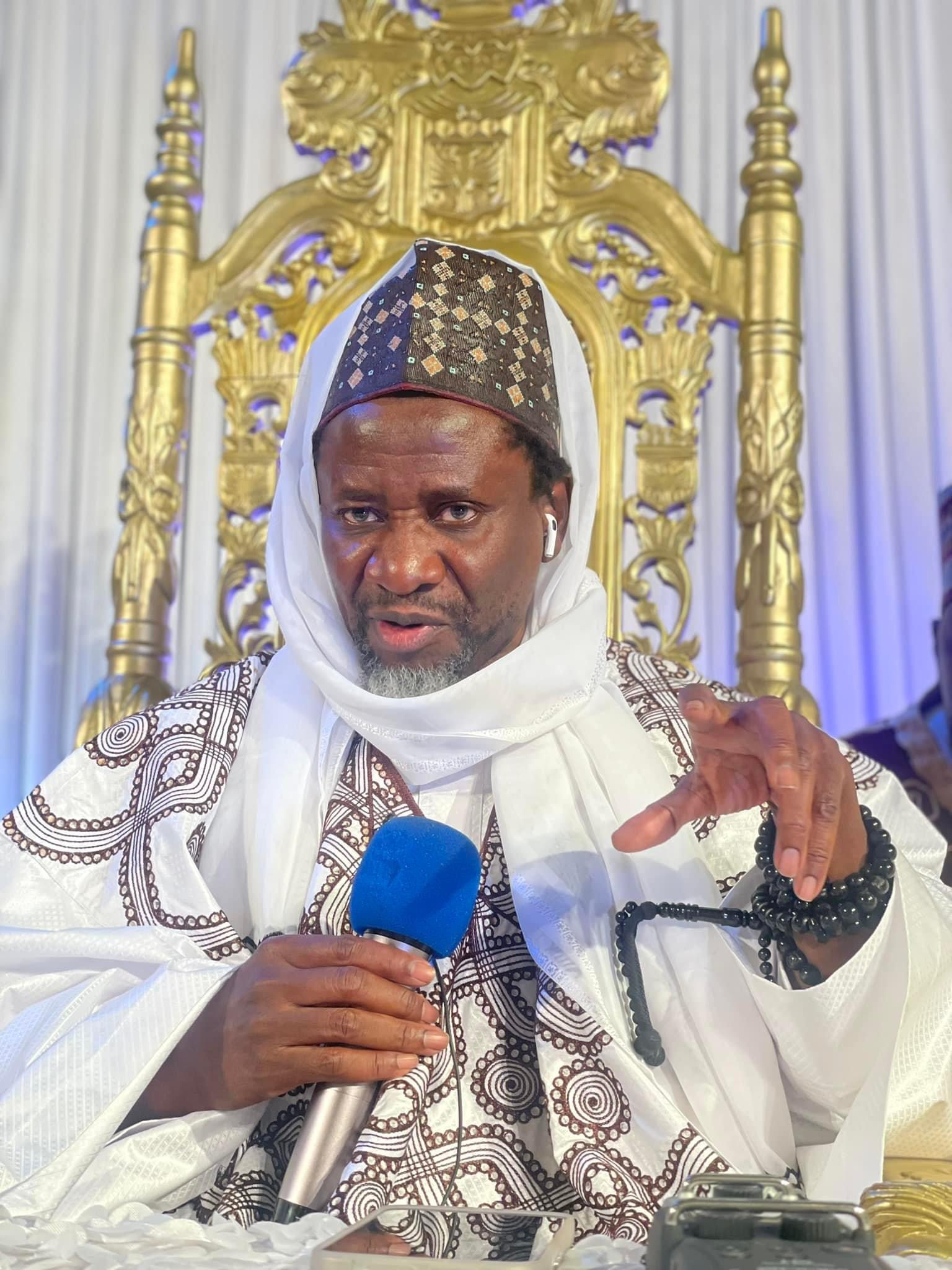
Sheikh Mahi Cissé is a highly respected Islamic scholar, spiritual guide, and leader within the Tijaniyya Sufi order, particularly renowned in West Africa. He is often remembered for his deep knowledge of Islamic sciences, his spiritual wisdom, and his profound influence on his followers, particularly in Senegal, Mauritania, and neighboring countries. His legacy continues to shape the spiritual and religious life of many, especially in the realm of Sufism.
Early Life and Background
Sheikh Mahi Cissé was born in the early 20th century in Senegal, though the exact date of his birth is not universally agreed upon. Coming from a deeply religious family with strong roots in Islamic scholarship and Sufi traditions, he was exposed to the teachings of Islam at a very young age. His family, particularly his father and grandfather, were part of the Tijaniyya order, one of the most prominent Sufi orders in the Islamic world.
Education and Spiritual Development
Sheikh Mahi Cissé's early education was traditional, grounded in Arabic and the classical Islamic sciences, including Quranic studies, fiqh (Islamic jurisprudence), tafsir (Quranic exegesis), hadith (sayings of the Prophet Muhammad), and Sufism. As he grew older, he began to study more deeply under the guidance of several important scholars and Sufi masters, immersing himself in the esoteric and spiritual dimensions of Islam. He became well-versed in the Tijaniyya Sufi teachings, which emphasize the remembrance of God (dhikr), the love of the Prophet Muhammad, and spiritual purification.
Sheikh Mahi Cissé received his spiritual initiation into the Tijaniyya order under the mentorship of Sheikh Ibrahim Niass, one of the most revered and influential Sufi leaders of the 20th century. Sheikh Ibrahim Niass was a significant figure in the spread of Tijaniyya teachings in West Africa and a spiritual guide to Sheikh Mahi Cissé, who later became one of the key representatives of the Niassiyyah branch of the Tijaniyya in Senegal.
Spiritual Teachings and Leadership
Sheikh Mahi Cissé became well-known for his deep spiritual insight and his ability to guide his followers on the path of spiritual awakening and self-purification. His teachings, like those of other great Sufi masters, centered on dhikr, love of God, and the emulation of the Prophet Muhammad's life as a model for ethical living. His profound knowledge of both the exoteric (outer) and esoteric (inner) aspects of Islam allowed him to guide his followers in a way that balanced both the worldly and spiritual dimensions of life.
Some of his key teachings include:
- Tazkiyah (Spiritual Purification): Sheikh Mahi Cissé emphasized that spiritual growth involves the purification of the heart and soul. This purification can be achieved through consistent practice of dhikr, good character, and maintaining a strong connection with God. He stressed that external acts of worship must be complemented by inner transformation.
- Devotion to the Prophet Muhammad: Like many Sufi masters, Sheikh Mahi Cissé had an intense love for the Prophet Muhammad, seeing him as the perfect model of human behavior. He encouraged his followers to invoke blessings (Salawat) upon the Prophet, as it brings both spiritual and worldly benefits. The connection to the Prophet was considered essential for any true seeker.
- Emphasis on Service to Humanity: Sheikh Mahi Cissé placed great importance on serving others. He believed that genuine spirituality must be manifested in practical ways through serving humanity, especially the poor, needy, and oppressed.
- The Importance of the Sheikh-Disciple Relationship: Sheikh Mahi Cissé emphasized the critical importance of the relationship between the sheikh (spiritual guide) and the mureed (disciple). According to his teachings, the spiritual guide is essential in helping the disciple navigate the inner path and protect them from spiritual distractions or misconceptions.
Role in the Tijaniyya Sufi Order
Sheikh Mahi Cissé played a crucial role in the development and spread of the Niassiyyah branch of the Tijaniyya order in West Africa, especially in Senegal and Mauritania. This branch, founded by Sheikh Ibrahim Niass, is distinct for its emphasis on collective remembrance (loud dhikr) and the direct spiritual transmission of the teachings of the Prophet Muhammad. Under Sheikh Mahi Cissé’s leadership, the Tijaniyya community grew in both number and influence. He helped establish mosques, prayer centers, and religious schools, and played a significant role in fostering the deep spiritual and social cohesion that characterized Tijaniyya communities.
His leadership was also marked by a commitment to interfaith dialogue, emphasizing the importance of peace and understanding between different Muslim groups and between Muslims and people of other faiths.
Contribution to West African Islamic Thought
Sheikh Mahi Cissé's influence in West Africa went beyond the Tijaniyya order. He was a key figure in the intellectual and religious life of the region, contributing to the Islamic reform movements that sought to revive traditional Islamic practices and beliefs in the face of colonialism, modernity, and the spread of non-Islamic ideologies. His commitment to Islamic orthodoxy was balanced by a practical approach to dealing with the contemporary challenges facing the Muslim community.
Legacy and Influence
Sheikh Mahi Cissé passed away in 1980, but his legacy lives on through his teachings, writings, and the generations of disciples he left behind. His influence can be seen in the continued prominence of the Niassiyyah Tijaniyya communities in Senegal, Mauritania, and other parts of West Africa. Today, the Sheikh Mahi Cissé movement remains a dynamic and influential force in West African Islam.
Conclusion
Sheikh Mahi Cissé was an extraordinary spiritual guide and leader whose teachings continue to inspire and guide millions of Muslims, especially in West Africa. His life was dedicated to the pursuit of spiritual enlightenment, deep love for the Prophet Muhammad, and service to humanity. He remains a central figure in the Tijaniyya tradition, and his teachings continue to shape the path of countless seekers on their journey to God.