MAOLAANA SHEIKH ALHAJI IBRAHIM NIASS
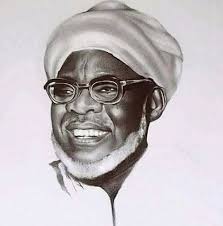
Sheikh Ibrahim Niass (1900–1975), also known as Ibrahim al-Niasse or Sheikh al-Amin, was one of the most prominent Islamic scholars, spiritual leaders, and reformers of the 20th century. He was a deeply influential figure in the development of Islamic spirituality, particularly within the Tariqa (Sufi order), and is often regarded as one of the greatest spiritual masters of the modern era. His teachings, centered on the love of God, the importance of the Prophet Muhammad, and the purification of the heart, continue to inspire millions of followers around the world today. Here are some detailed aspects of his life and legacy:
Early Life and Background
Sheikh Ibrahim Niass was born in 1900 in Gareye, a village in the Futa Toro region (modern-day Senegal, West Africa). He hailed from a family of learned scholars, and from a young age, he was exposed to the Islamic sciences, including fiqh (jurisprudence), tafsir (Quranic exegesis), and hadith (sayings of the Prophet Muhammad). He was known for his intellectual brilliance and deep commitment to learning. His early education was influenced by both traditional Islamic scholars and the teachings of Sufism, especially the Qadiriyya and Tijaniyya orders.
Connection to Sufism
Sheikh Ibrahim Niass became an initiated member of the Tijaniyya Sufi order, a path that emphasizes closeness to God, spiritual purification, and adherence to the Sunnah (traditions of the Prophet). However, despite being part of the Tijaniyya tradition, his teachings transcended specific Sufi orders and attracted followers from various Islamic traditions. In the early stages of his spiritual journey, he became a mureed (disciple) of Sheikh Abd al-Qadir al-Tijani, a prominent figure in the Tijaniyya order. After receiving permission from his own teachers, Sheikh Ibrahim went on to become an influential leader in the order, drawing attention for his extraordinary spiritual insights and his ability to lead people towards deeper spiritual awareness.
Role as a Spiritual Teacher
Sheikh Ibrahim Niass is renowned for his deep spirituality and his emphasis on tazkiyah (spiritual purification). He taught that true knowledge is not just intellectual but experiential and can only be attained through a sincere connection with God, the Prophet Muhammad, and the spiritual guides (sheikhs) who transmit divine wisdom. One of the core aspects of his teaching was dhikr (remembrance of God), especially the practice of loud dhikr, a form of collective remembrance that seeks to bring the heart and mind into direct communion with the Divine. His followers, often referred to as the Niassiyyah or Tariqa Niassiyyah, spread across Africa, the Middle East, and parts of Europe, continuing his tradition of devotional practices.
The Role of the Prophet Muhammad
Sheikh Ibrahim Niass had an intense love and reverence for the Prophet Muhammad, which was a central feature of his spiritual teachings. He often spoke about the power of invoking the Baraka (spiritual blessings) of the Prophet through prayers such as Salawat al-Fatih (a prayer for the Prophet’s blessings and peace). According to Sheikh Ibrahim, connecting with the Prophet Muhammad, through prayers and supplication, is an essential path to spiritual elevation. His doctrinal position emphasized that the Prophet Muhammad is the perfect human model, and all paths to spiritual realization must involve deep love and devotion to him. For Sheikh Ibrahim, this love for the Prophet was the foundation of true Islamic spirituality.
Philosophy and Teachings
One of Sheikh Ibrahim Niass’s most important contributions was his focus on inner transformation rather than mere outward religiosity. His spiritual philosophy was rooted in the idea that the ultimate goal of life is to know God (Ma'rifah), and this knowledge can be attained through deep sincerity, devotion, and spiritual discipline. His teachings were often practical, focusing on the heart as the seat of true knowledge and spiritual awakening. Sheikh Ibrahim stressed that without purifying the heart and overcoming negative traits such as pride, anger, and greed, true spiritual progress could not be made. This purification (tazkiyah) was achieved through dhikr, prayer, fasting, and the guidance of a qualified spiritual teacher (murshid).
Global Impact and Legacy
Sheikh Ibrahim Niass's influence was not confined to his home country of Senegal or the African continent. He attracted followers from across the Muslim world, especially in countries like Mauritania, Morocco, Egypt, Saudi Arabia, and Nigeria. He made several trips to the Middle East, including Mecca, where he gained recognition from both scholars and spiritual leaders. His teachings spread widely, and his disciples were active in establishing centers of learning, prayer, and Sufi practices around the globe. He was known for his role in interfaith dialogue and his efforts to promote unity and peace among Muslims, especially in the context of colonialism and modern challenges. His teachings reached beyond borders and ethnic lines, emphasizing universal Islamic principles such as brotherhood, justice, and compassion.
The Concept of the "Greatest Sheikh"
One of the most famous aspects of Sheikh Ibrahim Niass’s legacy is his claim to be the "Greatest Sheikh" (al-Sheikh al-Akbar) of his time. This title was not simply a claim of personal superiority but reflected his belief in a spiritual mission that transcended traditional boundaries. He positioned himself as a renewer of the faith (mujaddid) who was sent to guide the ummah (Muslim community) at a time of spiritual and moral crisis. In his writings, he emphasized the importance of a direct relationship with God, free from intermediaries. His students were encouraged to experience the Divine presence directly through spiritual exercises, which fostered a sense of intimacy with God.
Passing and Continued Influence
Sheikh Ibrahim Niass passed away on July 23, 1975, but his teachings continue to inspire countless individuals worldwide. His Sufi order remains active, and his influence continues to shape the religious, spiritual, and social lives of his followers. His spiritual guidance has touched people from all walks of life, including scholars, politicians, and ordinary people seeking to live more deeply connected lives. His children and spiritual heirs, such as Sheikh Ahmed Tidiane Niass, have carried forward his legacy and continue to lead and guide his followers across the world. Sheikh Ibrahim's emphasis on universal love, spiritual integrity, and service to humanity remains a cornerstone of his enduring influence.
Conclusion
Sheikh Ibrahim Niass was a remarkable figure whose teachings continue to resonate deeply within the Sufi tradition and the wider Islamic world. His ability to blend deep spirituality with practical guidance for daily life, his emphasis on the centrality of the Prophet Muhammad, and his profound love for humanity make him one of the most significant spiritual leaders of the modern era. For his followers, Sheikh Ibrahim Niass is not just a teacher but a living spiritual presence who continues to guide them on their journey toward God.